.svg)

The architecture and interior design industries are increasingly recognising the importance of sustainability.
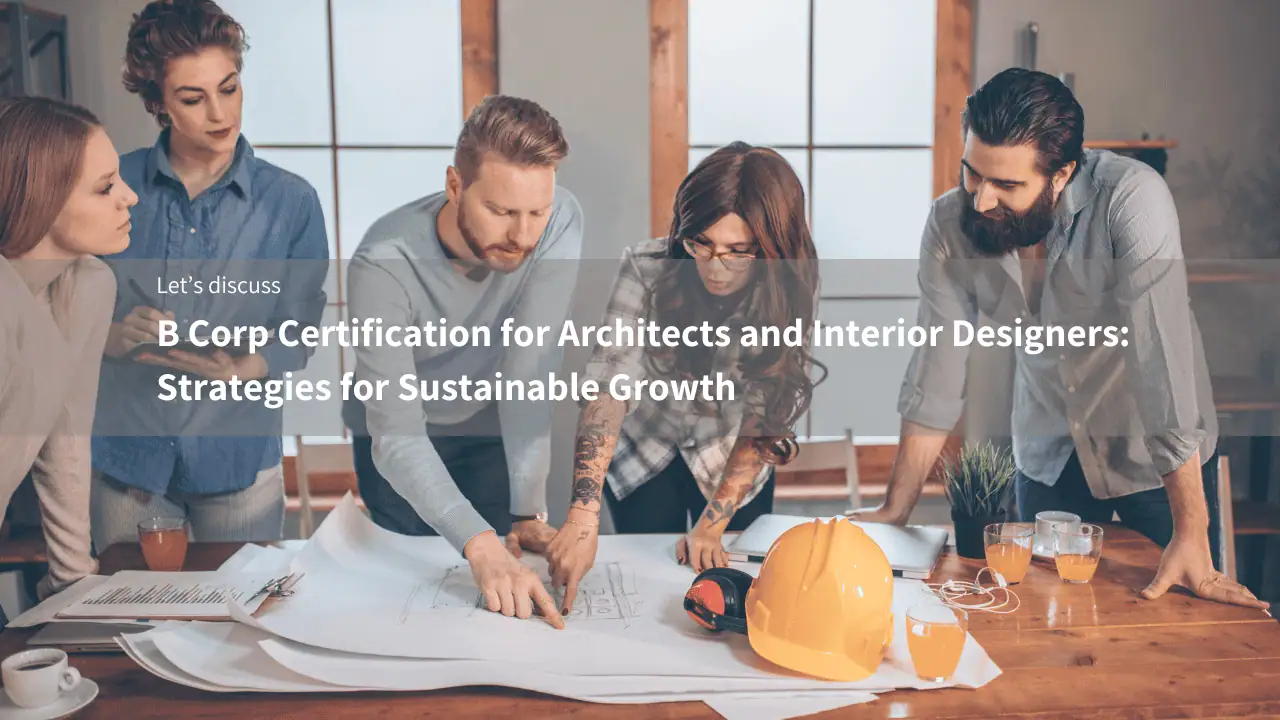
Achieving B Corp Certification is a testament to a company’s commitment to balancing profit with purpose. This blog post explores strategies for architects and interior designers to effectively balance growth and sustainability.
Understanding the Balance Between Growth and Sustainability
Growth in architecture and interior design often means expanding business, taking on more projects, and increasing revenue. However, sustainability minimises environmental impact, uses resources efficiently, and creates healthy spaces. Balancing these two aspects is crucial for long-term success and positive environmental impact.
Key Challenges and Solutions
Environmental Impact
One of the primary challenges in architecture and interior design is reducing a project’s carbon footprint while still meeting client demands. Professionals can implement energy-efficient designs, utilise renewable energy sources, and select sustainable materials to address this. For instance, incorporating solar panels and using recycled materials can significantly reduce environmental impact, ensuring that projects are both eco-friendly and aligned with client expectations.
Cost Management
A significant challenge in architecture and interior design is balancing budget constraints with sustainable practices. To address this, professionals can utilise cost-effective, sustainable materials and technologies. Government incentives and focusing on long-term savings can also help manage costs effectively. For example, selecting recycled materials and energy-efficient technologies can reduce initial expenses and provide significant savings over time, making sustainable practices more financially viable
Balancing growth and sustainability is possible and essential for the future of architecture and interior design. By adopting sustainable practices, architects and interior designers can create spaces that are beautiful, functional, and environmentally responsible. Achieving B Corp Certification can further demonstrate a commitment to these values, setting a positive example for the industry.

Technological Integration
Another challenge is staying abreast of rapidly evolving sustainable technologies. To overcome this, investing in continuous education and adopting new technologies such as Building Information Modelling (BIM) and Virtual Reality (VR) is essential. Collaborating with technology experts can also ensure that the latest sustainable practices are effectively implemented, keeping projects at the forefront of innovation and sustainability.
Client Expectations
Another challenge is meeting client expectations while integrating sustainable practices. Educating clients on the long-term benefits of sustainability, showcasing successful case studies, and highlighting potential cost savings can help them understand the value of sustainable design and align their values with eco-friendly outcomes.
Regulatory Compliance
Navigating complex sustainability regulations is a significant challenge for Australian architects and interior designers. To address this, professionals should stay updated with local and international standards, such as the National Construction Code (NCC) and the Green Star rating system. Working with sustainability consultants can ensure compliance and provide valuable insights into best practices. For example, consulting with experts on the latest NCC updates can help architects design energy-efficient buildings, while leveraging Green Star guidelines can enhance the environmental performance of interior design projects. This approach is closely related to achieving B Corp Certification, as it demonstrates a commitment to sustainable practices and compliance with rigorous standards.
Strategies for Architects
Australian architects can significantly enhance sustainability in their projects by adopting several key strategies.
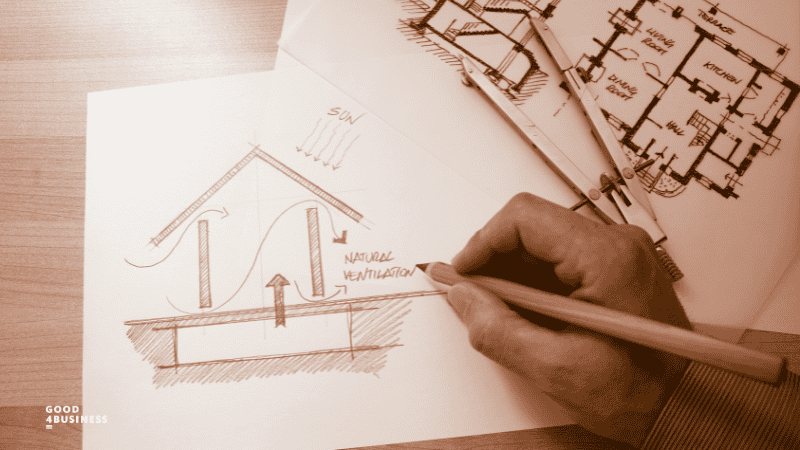
Firstly, passive design techniques, such as maximising natural light and ventilation, can drastically reduce energy consumption and create healthier indoor environments. For instance, strategically placing windows and using shading devices can optimise daylight while minimising heat gain.
Secondly, selecting sustainable materials, like locally sourced recycled timber and low-VOC paints, not only supports the local economy but also reduces the environmental footprint of construction.
Lastly, integrating energy-efficient technologies like smart home systems and renewable energy sources like solar panels can further decrease energy usage and operational costs.
These approaches not only contribute to a more sustainable future but also align with the criteria for B Corp Certification, demonstrating a commitment to high standards of social and environmental performance.
Strategies for Interior Designers
Similarly, interior designers can adopt eco-friendly strategies to enhance sustainability in their projects. Using furnishings made from reclaimed or sustainable materials supports environmental conservation and reduces waste. For example, selecting furniture crafted from recycled timber or sustainably sourced fabrics can significantly lower the project’s carbon footprint.
Choosing low-VOC paints and finishes helps improve indoor air quality and promotes healthier living spaces.
Implementing recycling and waste management practices in design projects, in line with Circular Economy principles, ensures that materials are reused and repurposed, minimising waste.
These strategies not only contribute to a more sustainable future but also align with the rigorous standards of B Corp Certification, showcasing a commitment to exceptional social and environmental performance.
Balancing growth and sustainability is possible and essential for the future of architecture and interior design. By adopting sustainable practices, architects and interior designers can create spaces that are beautiful, functional, and environmentally responsible. Achieving B Corp Certification can further demonstrate a commitment to these values, setting a positive example for the industry.
Why Choose Good 4 Business?
Our team of experts are dedicated to helping design and architecture professionals navigate the complexities of B Corp Certification. Kathy Joyce is an accredited interior designer with over 25+ years of experience and is a B Lab-recognised B Corp Consultant. We provide personalised support and practical solutions to ensure your business meets the certification standards and thrives in a sustainable future.
Ready to embark on your sustainability journey?
Contact us today to learn how B Corp Certification can transform your design business and contribute to a better world.